
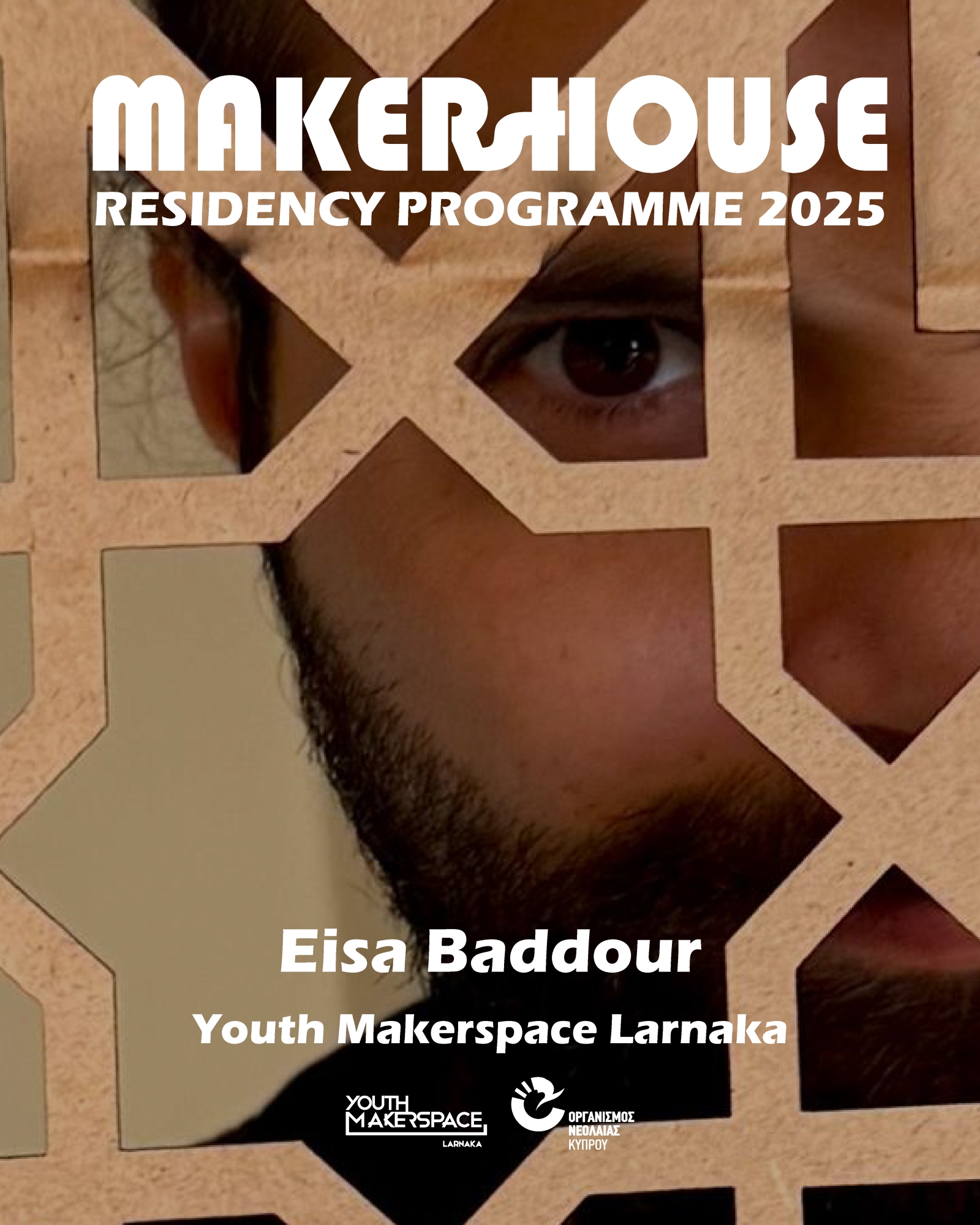
Aini (عيني)
Aini (عيني), meaning “my eye,” is a floating wooden installation inspired by the ancient Mediterranean symbol of the evil eye, a talisman believed to protect against misfortune and envy. Found across Greece, Turkey, the Levant, and North Africa, this iconic blue eye, known regionally as nazar, mati, or ʿayn al-ḥasūd, has served as a symbol of protection and shared well-being for centuries.
This work reimagines the symbol as an interactive floating sculpture, a space where the artist may struggle, rest, and play. Set upon the water, Aini transforms myth into lived physical experience, creating a floating sanctuary for reflection, embodiment, and communal presence while reconnecting participants to the Mediterranean’s layered cultural heritage.
At the same time, the installation acts as a meditation on the bonds across Mediterranean cultures and a quiet provocation: an invitation to contemplate why, in a region defined by connection, we so often allow others to sink, leaving them with nothing to grasp but hope, faith, and fragile belief.
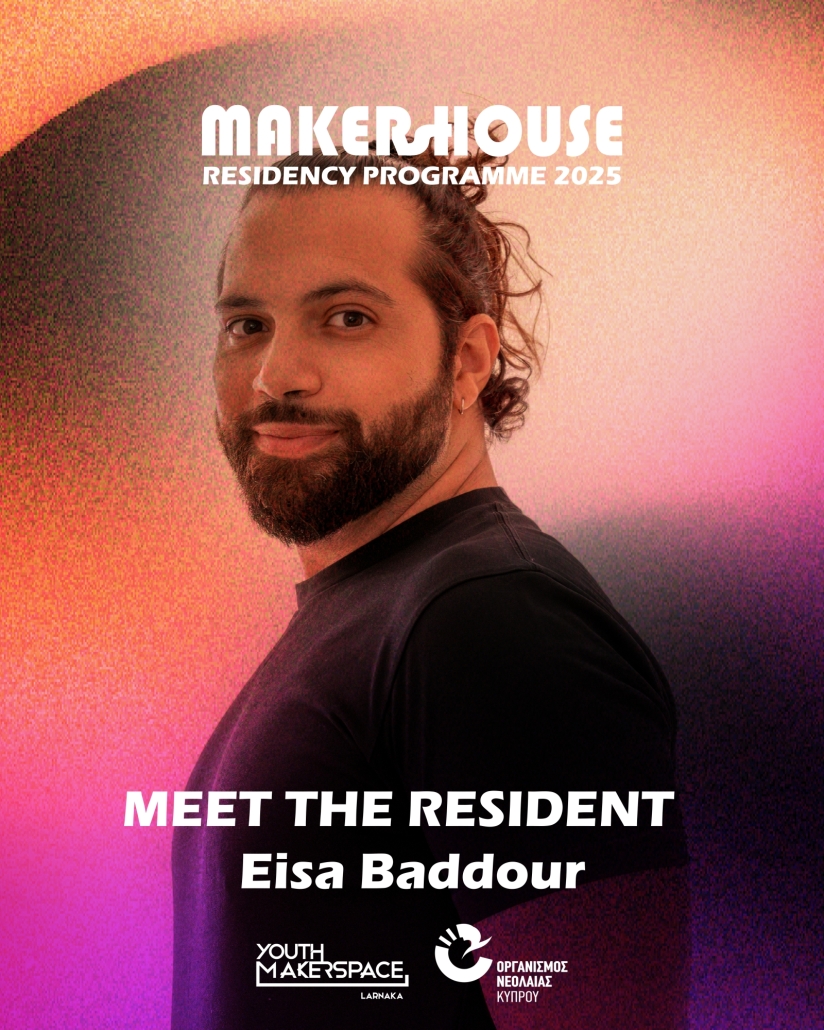
Eisa Baddour (عيسى بدور) approaches his work through the lens of empathy, acceptance of diversity, and mutual understanding. With a clear reference to social inequality and the displacement of refugees, Eisa brings to the forefront the only escape available to migrants for their survival—one that is also the most perilous for their lives.
Eisa Baddour is a visionary artist who combines visual design, architectural experience, and performance to promote social change. Driven by a passion for spotlighting contemporary issues, his interactive art installations spark dialogue and challenge social norms. Drawing from his academic background in architecture, Eisa creates visually striking installations that push boundaries. By blending design principles with conceptual depth, he crafts multidimensional experiences that resonate with audiences both intellectually and emotionally.
Eisa uses his art to address urgent social concerns such as inequality and environmental sustainability. Through symbolism and interactive elements, he invites the public to reflect, empathize, and take action. Collaborative and innovative, Eisa strives to bring communities together and amplify voices in pursuit of a more just and inclusive society.